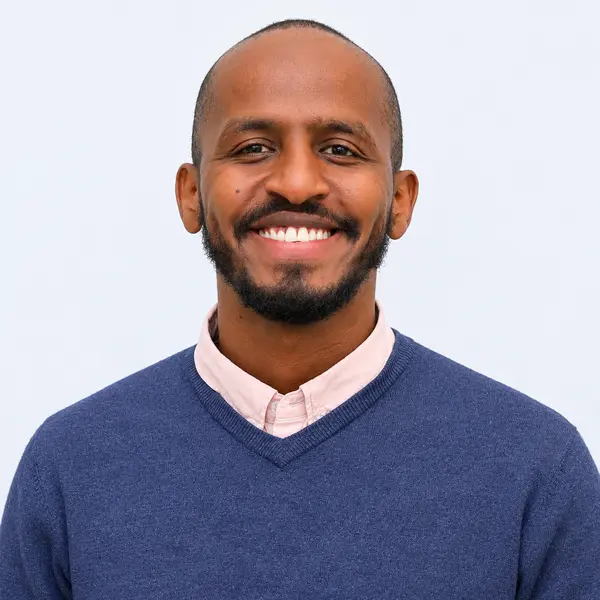
What I work on
Much of my work starts with a question that routine data alone can’t answer: has disease reporting fallen in a district, or how many children of a particular age live there? I use statistical models to estimate these quantities, then write R packages and reporting pipelines so other analysts can use the methods and update the results.
How I got here
I trained in health sciences at the University of Salford and in quantitative methods at Manchester Metropolitan University, where I then worked as a research assistant on musculoskeletal epidemiology, survey instrument validation and the reporting quality of machine learning studies.
For my PhD at Manchester Metropolitan University, I studied how socioeconomic position across life relates to grip strength, balance and bone health in adulthood, using the 1970 British Cohort Study and UK Biobank. My supervisors were Professor Rachel Cooper and Professor Jamie McPhee. I then joined the London School of Hygiene & Tropical Medicine as a postdoctoral fellow, estimating mortality linked to drought and food insecurity in Somalia and the Horn of Africa.
Scientific and technical interests
- Applied infectious disease epidemiology, especially polio eradication and vaccine-preventable disease surveillance
- Bayesian hierarchical and geostatistical models, and small-area estimation from DHS and MICS survey data
- Population and demographic modelling for denominators
- Immunisation equity and zero-dose children
- Malaria epidemiology and subnational programme planning
- Humanitarian epidemiology and mortality estimation
- Life-course epidemiology
- Public health data infrastructure: reproducible pipelines, automated reporting and R package development
How I work
The data are often incomplete or inconsistent, and the analysis usually needs to run again next week or next month. I put that work into documented R packages and pipelines, using synthetic examples when the real data can’t be shared. I also spend time training the teams who will use and maintain the code. That has included the national data team in Abuja, country teams working on malaria subnational tailoring, and participants in the AMMnet geoname-cleaning hackathon, which I led.
Grants, awards and memberships
- PhD Scholarship, Manchester Metropolitan University (2020, £61,500)
- Global Challenges Research Fund (2020, £19,875): Red Flags for Spinal Infection, an international collaboration with Kenya, Nigeria and Ethiopia
- Faculty Research Excellence Award, Manchester Metropolitan University (2019, £3,500)
- Member, Subgroup for Analysis and Modelling (SAM)
- Member, Applied Malaria Modelling Network (AMMnet)
Outside work
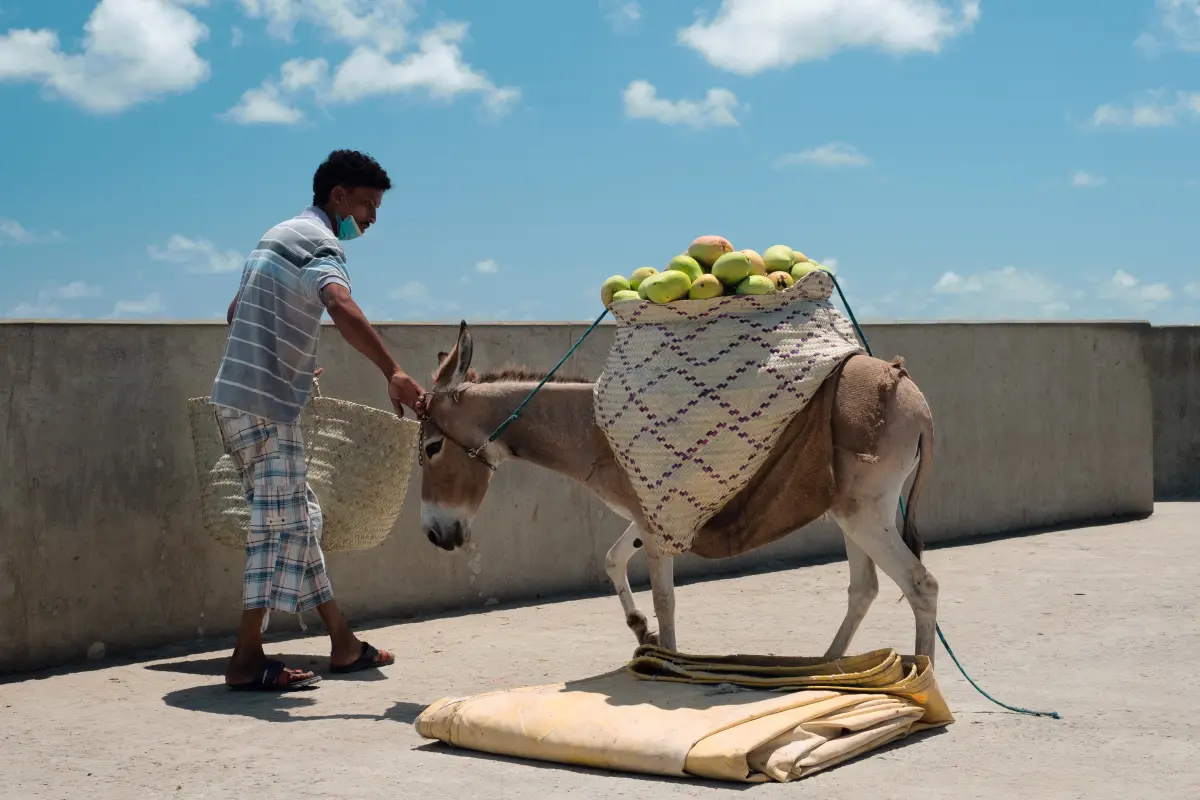
I take street photographs, mostly of people going about their day. A selection is on the photography page.